The Most Beautiful Things You Can Own Are the Ones That Come from Somewhere Real
There is a particular feeling that certain objects give you, one that is difficult to name precisely but very easy to recognise. It is the feeling of holding something that was made with genuine care, by people who understood what they were making and why it mattered. Something that carries weight beyond its physical material. Something that connects the person holding it to a longer story than the one that started at checkout.
Most of what surrounds us in daily life does not give us that feeling. It was designed to be purchased, used, and eventually replaced without much emotional investment in any of those stages. It is efficient. It fills a function. It does not move you in any particular direction because it was never trying to.
And then you encounter something that was. A textile whose pattern has been woven the same way in the same region for four hundred years. A ceramic form whose proportions come from a tradition of making that predates the country it now calls home. A design whose colour relationships were worked out not in a software programme but through generations of skilled makers learning from each other across decades.
That is global heritage working its way into an object and the experience of owning and using something with that kind of depth behind it is genuinely different from owning something that was simply manufactured to a specification. Once you have felt that difference, the generic version stops being enough.
How Global Heritage Turns Ordinary Objects into Daily Companions You Actually Love
The word heritage tends to get applied to things that feel distant and museum-worthy. Ancient ruins. Historical documents. Traditional ceremonies that require context and explanation to appreciate. And while all of those things absolutely deserve the designation, the most alive and accessible form of global heritage has always been the one that shows up in everyday objects, the things people made for daily use and invested with beauty because beauty and utility were never understood as separate concerns.
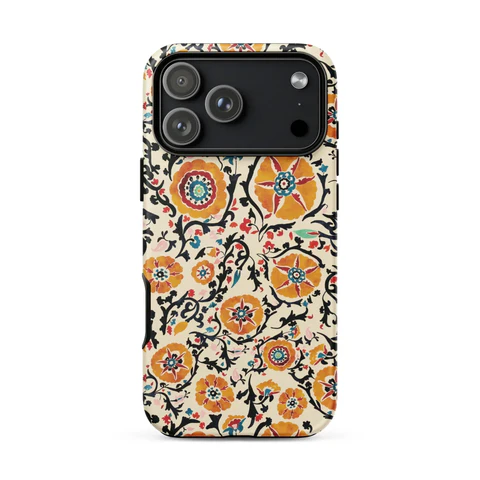
That tradition of making the everyday beautiful, of investing daily objects with meaning and identity and craft, is exactly what the best culturally inspired accessories bring into the present. When that tradition is applied to a phone case or a desk mat or a tote bag or a tumbler, something genuinely exciting happens. The object becomes more than its function. It becomes a small, portable piece of a cultural story that has been unfolding for longer than most of us can easily imagine.
The daily experience of using that object changes accordingly. Not dramatically, not in a way that announces itself loudly, but quietly and persistently, beautiful things change the quality of our attention toward the moments that contain them.
Why the Stories Behind Global Heritage Design Matter More Now Than Ever Before
We are living through a moment in which the visual landscape of everyday consumer goods has never been more homogeneous. The same aesthetic language appears in shop windows in Seoul, São Paulo, Stockholm and Sydney. The same design trends cycle through every category of product at roughly the same speed. The result is a world of objects that look vaguely like each other, carry roughly the same visual temperature, and say nothing specific about any particular place or people or way of understanding beauty.
Global heritage design is the most compelling counterpoint to that homogeneity currently available to anyone who pays attention to the things they buy and use. Not because it is nostalgic or backwards-looking, quite the opposite, but because it brings specificity to a landscape drowning in generality. A design rooted in the resist-dye traditions of the Yoruba people of West Africa is not trying to appeal to the broadest possible demographic. It is being precisely itself, and that precision is what makes it visually arresting in a way that design-by-committee never manages.
The timing of this counter-movement makes complete sense. As digital life has made the surface of everything more similar, people have developed a genuine hunger for objects that are rooted somewhere specific, that come from a real place, reflect a real cultural perspective, and carry the marks of a real human tradition of making. Heritage-rooted design satisfies that hunger in the most direct way possible, because it draws on traditions that were never trying to appeal to everyone. They were trying to be exactly what they were, and the authenticity of that shows.
Here is what distinguishes genuinely heritage-rooted design from mere cultural aesthetics used as decoration:
- The design logic holds together internally: The colour relationships, the proportional relationships between pattern elements, the way the design adapts to the shape of the object it lives on, all reflect an understanding of where the design came from and what made it work in its original context, rather than simply extracting surface features and placing them on a different object without that underlying understanding.
This internal logic is what separates a culturally inspired accessory that feels right from one that feels like a costume. The best heritage-rooted designs have been engaged with, seriously studied, understood, and then translated thoughtfully for a modern object rather than simply copied from a reference image without comprehension.
Living With Heritage: What It Actually Changes About Your Daily Experience
There is a practical dimension to this conversation that is easy to overlook when the focus is entirely on beauty and meaning. Objects that you find genuinely meaningful and beautiful tend to be used differently from objects you are merely tolerating.
You handle them with slightly more care. You notice them more. You reach for them with something approaching pleasure rather than pure reflex. These are small differences in behaviour but accumulated across every single day you own and use the object, they add up to a meaningfully different relationship, one in which the everyday is consistently, quietly enriched rather than simply survived.
A desk mat featuring the bold architectural geometry of a Kashmiri shawl pattern does not make the work you do at your desk more important. But it makes sitting down to do it feel more like a deliberate act and less like a default. A tote bag drawing from the vivid narrative textiles of the Kuna people of Panama does not make your grocery run more significant. But it makes the experience of being out in the world with that bag on your shoulder feel more like participation than routine.
These are not small things. They are the texture of daily life, and the texture of daily life is the texture of your actual lived experience. Improving it through the objects you choose to surround yourself with is one of the most accessible and enduring forms of self-expression available to anyone, at any budget, in any context.
Conclusion
The things you carry, use, and live with every day reflect what you value and how you engage with the world. Choosing objects rooted in global heritage is not an aesthetic preference among many equally valid options; it is a commitment to depth, authenticity, and the kind of connection to human creativity that makes daily life feel genuinely richer rather than simply more decorated.
The Global Wanderer was built for exactly this purpose. Every product in their collection exists because someone took the time to engage seriously with a cultural tradition, understand what made its design language beautiful and meaningful, and translate that understanding into an everyday object built for the real world. Phone cases, tote bags, desk accessories, drinkware, laptop covers, watch bands, hoodies- the range is wide, and the commitment running through all of it is consistent. These are objects made for people who believe that what they surround themselves with matters, and who want the things they carry to reflect something true about their curiosity and their connection to the extraordinary breadth of human culture. Browse the full collection, find the traditions that speak most directly to something in you, and start carrying a little more of the world with you wherever your days take you.
Frequently Asked Questions
Q1: What does it mean for a product to be rooted in global heritage design?
It means that the design draws from a specific, identifiable cultural tradition, a real textile art form, a regional ceramic style, an architectural decorative tradition, a folk painting practice and that the engagement with that tradition goes beyond surface borrowing. Genuine heritage-rooted design reflects an understanding of the pattern logic, the colour relationships, and the cultural context of the original, and adapts these thoughtfully for a modern product rather than extracting visual elements without comprehension. The result is a design that feels coherent and grounded rather than vaguely decorative.
Q2: How do heritage-inspired accessories differ from products that simply use ethnic-looking patterns?
The difference is the authenticity of engagement, and it shows up in the details. A genuine heritage-inspired design has internal visual logic; the elements relate to each other in ways that come from a real design tradition. The colours feel specific rather than approximate. The pattern scales correctly for the object it lives on. There is a sense of intentionality throughout that reflects creative and research engagement with the source material. Products that merely use ethnic-looking patterns as surface decoration tend to feel slightly off in ways that are hard to pinpoint but easy to perceive once you have seen the real thing.
Q3: Are heritage-inspired accessories appropriate for people who have no personal connection to the cultures represented?
Absolutely, and cultural curiosity is itself a completely authentic and valid relationship with design traditions beyond your own background. The history of human culture is a shared inheritance: the geometric traditions of Islamic architecture, the colour mastery of West African textile art, the compositional intelligence of Japanese folk craft, these belong to human creative history in a way that makes engagement with them by anyone who approaches them with genuine appreciation and respect entirely appropriate. The key distinction is between appreciation and exploitation, and genuinely heritage-rooted design sits firmly on the right side of that line.
Q4: Can I build a coordinated collection of heritage-inspired accessories across different product categories?
Yes, and the experience of doing so deliberately is genuinely rewarding. Many of the cultural design families that appear across a well-curated heritage collection extend across multiple product types so the Kente cloth tradition that inspires your phone case might also appear on a tote bag, a watch band, and a desk mat. Building a coordinated everyday carry or workspace across those categories creates a visual coherence that feels intentional and personal rather than accidentally assembled, and the process of making those choices is itself enjoyable.
Q5: Are heritage-inspired accessories a sustainable and ethical purchasing choice?
They can be, and the best brands in this space are the ones that are transparent about their engagement with the cultures they draw from and their manufacturing practices. Purchasing from brands that approach their source material with genuine respect, represent the cultural context of their designs honestly, and produce their products with attention to material quality and longevity is a more sustainable choice than purchasing disposable trend-driven alternatives. Objects that are genuinely beautiful and well-made tend to be kept and loved for longer, which is itself a significant sustainability advantage over objects that are tolerated briefly and then discarded.